Flooring works

There’s no home decorating challenge quite so frustrating as old, worn-out floors. You can paint the walls, add accessories, and even replace furniture on a budget, but replacing an entire floor is a much bigger – and costlier – job.
That doesn’t mean you just have to live with your ratty old carpeting or scuffed-up vinyl. These days, there are lots of different flooring options, including several that are very affordable. Vinyl, Wooden, and ceramic tile can all cost as little as AED 80 per Square Meter.

However, you can’t just pick up one of these cheap flooring choices at random and expect it to work in any space where you plunk it down. Each type of flooring has advantages and disadvantages, and a type that’s ideal for one room could be a terrible choice for another.

So before you get started on your flooring project, it pays to do a little research on the different kinds of flooring and learn about their costs and benefits. Then, you can find a floor that fits both your space and your budget.
Bloomsford helps you find the right type of flooring installed at your home and workplace.

For this reason, we procure people with years of technical experience and sound knowledge of their work. Our people’s expertise is one of our competencies that makes us stand out as the best flooring partner in the industry.

Here are the types of floorings offered:

a) Vinyl flooring

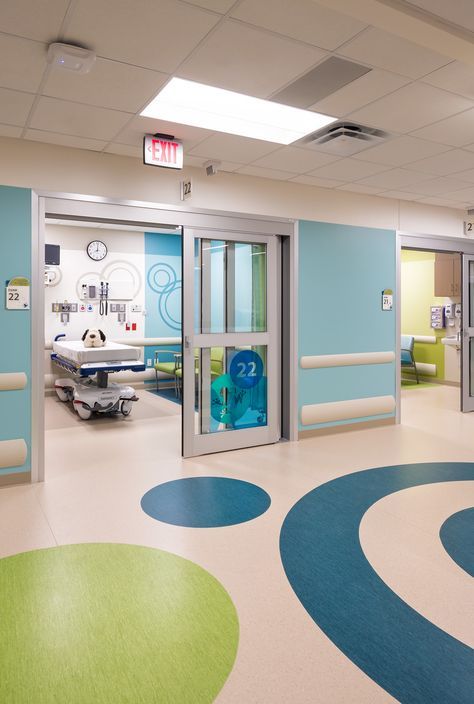
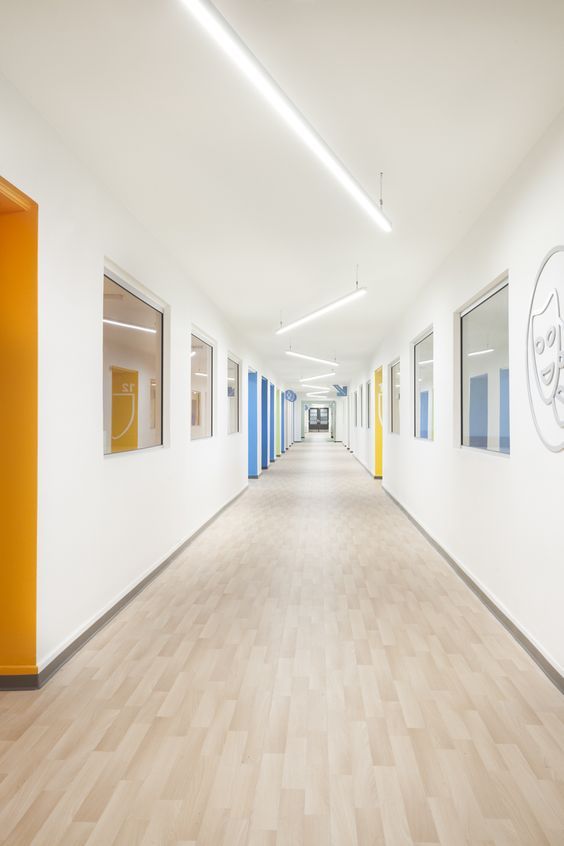
Vinyl is a type of resilient flooring, a flexible material that feels a bit softer underfoot than rigid wood or tile. It’s made from a layer of PVC (short for polyvinyl chloride) plastic over a layer of felt. Cushioned vinyl has a thin layer of foam as well, making it more comfortable to walk on. Thicker vinyl flooring can have a textured surface to make it look like wood or stone.

Types :
Vinyl flooring comes in several forms. Sheet vinyl is a large sheet of flooring that you unroll, cut to size, and glue to your subfloor. You can also buy click-style vinyl planks, similar to engineered wood or vinyl tiles, that you glue in place one at a time. Some vinyl tiles come with a peel-and-stick backing, so you don’t need to add any adhesive before laying them down.

Advantages:
Vinyl is a tough material that stands up to both moisture and heavy traffic. It’s comfortable to walk on and warmer on bare feet than tile. It’s also inexpensive and durable; according to HGTV, a good-quality vinyl floor can last 20 years.

Like tile, vinyl comes in a wide range of colors and patterns. It can convincingly simulate the look of almost any other material. A flooring dealer interviewed by Consumer Reports says customers often assume the luxury vinyl planks on her showroom floor are real wood.

Plank vinyl and peel-and-stick tiles are easy to install, though sheet vinyl can be difficult. You can install vinyl over an existing vinyl floor as long as it only has one layer. Plank vinyl is also easy to repair – just remove and replace a damaged plank – and all types of vinyl flooring are very easy to clean.

b) EPDM & SBR Rubber flooring:

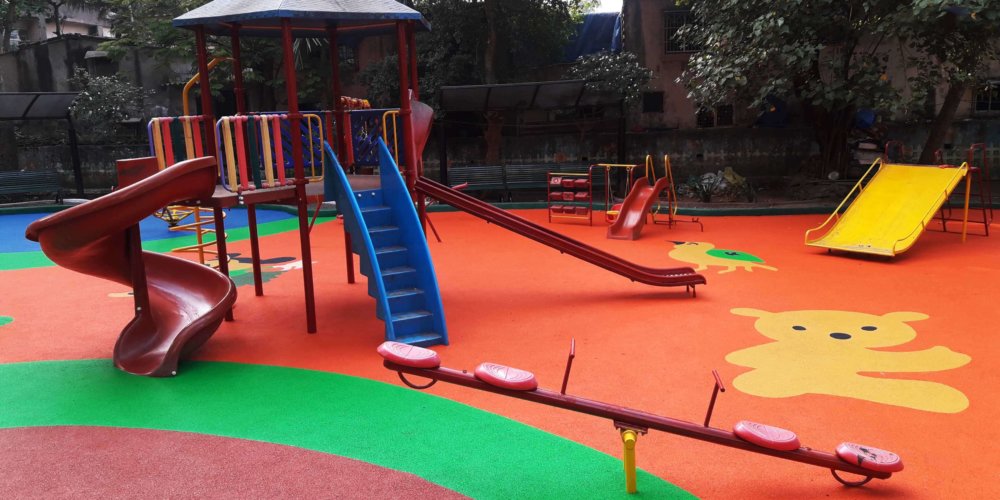
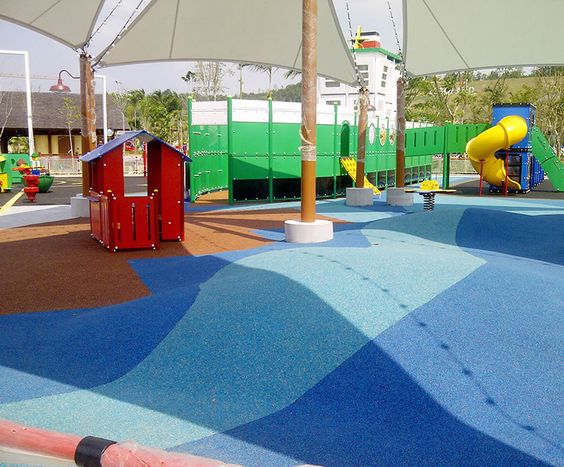
For children, playing is an elementary means of acquiring physical, mental and social skills. Part of this learning process is trial and error involving occasional bumps and falls. EPDM & SBR flooring options provided by Bloomsford comes with safety without sacrificing problem-free use and durability. Unharmed by weathering and extreme temperatures, they let children play without care – day in and day out.

Bloomsford guarantees the highest safety standard on playgrounds. We allow children to romp about happily, without risk of injury. We offer effective protection when children jump or fall to the ground by attenuating the impact and therefore reducing the risk of injury.

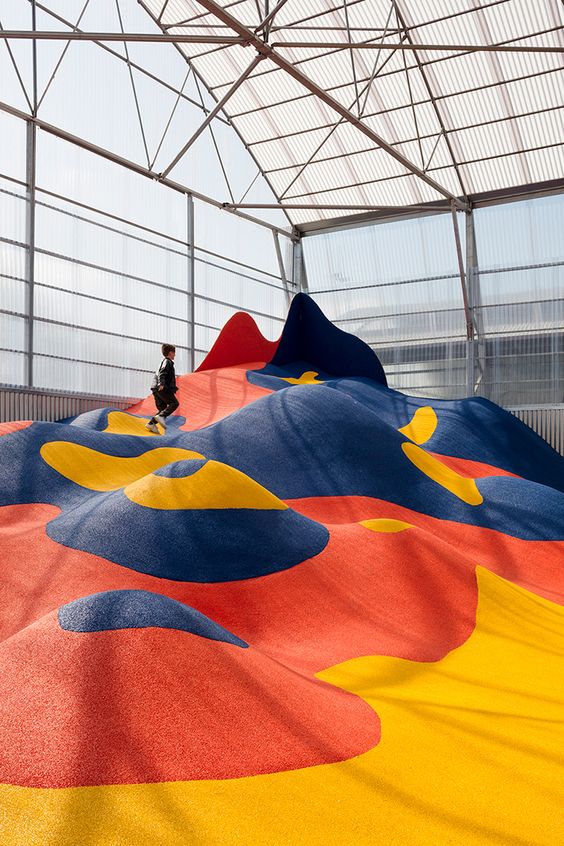
Rubber flooring is also effective as an elastic floor covering in nursing homes and rehabilitation centers, multi-generation recreation facilities, schoolyards, under gymnastic and climbing equipment and as walkways. EPDM is ideal for designing playgrounds in schools, kindergartens and daycare facilities; they offer educational and visual enhancement for all sports and play areas and amusement parks.

c) Tile flooring :

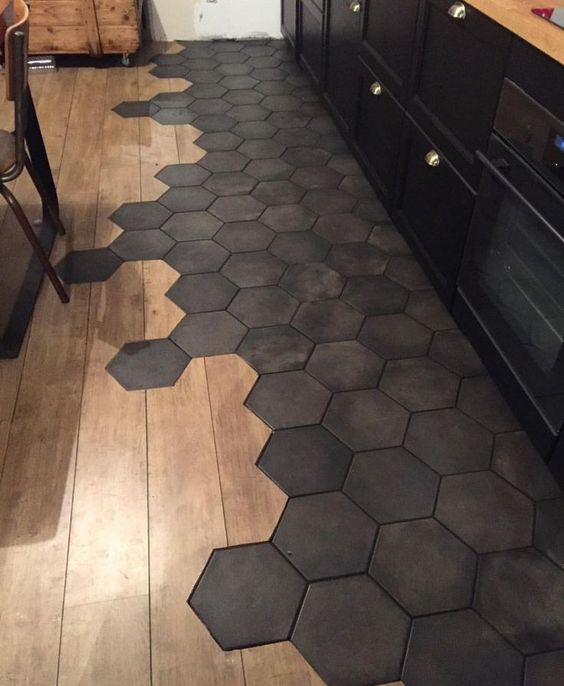
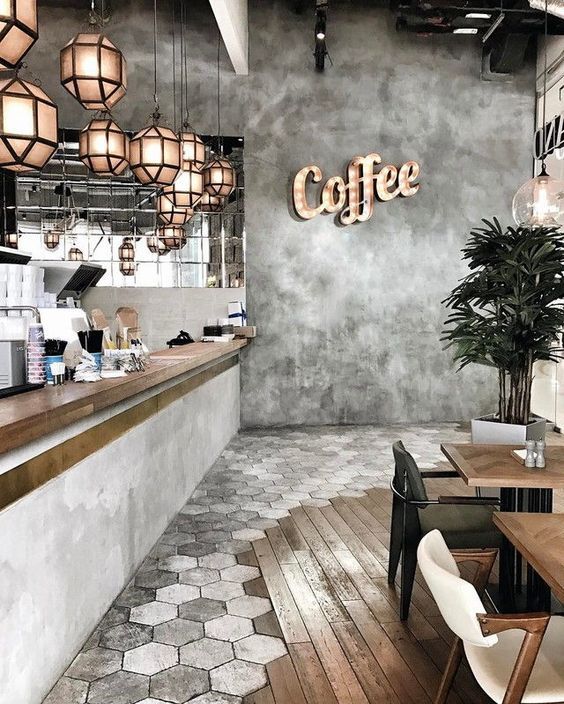
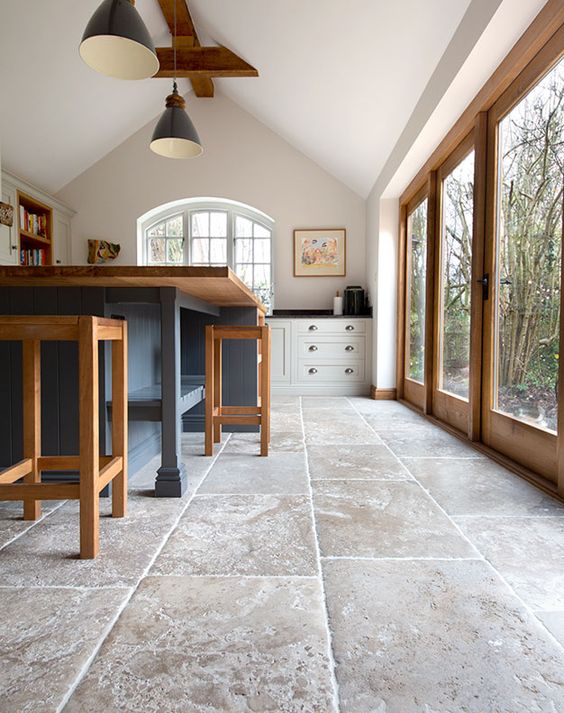
Tile is made from a mixture of clay and shale that’s fired in a kiln like pottery. It’s a hard material that comes in a huge variety of colors, shapes, and patterns. HGTV warns that not all ceramic tiles are tough enough for flooring, so it’s important to make sure the ones you buy are rated for use on floors.

Types
There are four main types of ceramic tile:
Glazed Ceramic. This type of tile has a glass-like coating that can give the tile virtually any color or texture. Glazed ceramic tile is practically maintenance-free.

Porcelain. This tile is fired at very high temperatures, making it extra-hard and durable. It’s available either glazed or unglazed. Both types are stain-resistant and work well in outdoor rooms.
Quarry Tile. This unglazed ceramic tile has a slightly rough texture, making it more slip-resistant than glazed tile. However, it’s not available in as wide a range of colors.

Terracotta. This unglazed tile comes only in earth tones. It’s less durable than other tiles and needs regular sealing to prevent stains.

Advantages
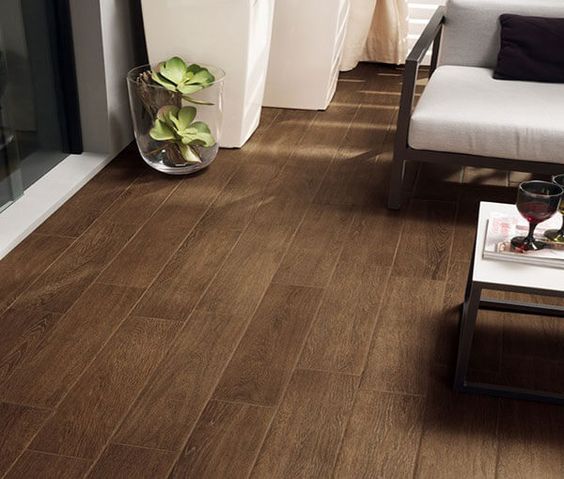
Tile comes in many colors and shapes, so it can fit in with any style of home. Thanks to modern printing technology, it’s also possible to create the ceramic tile with virtually any pattern. It can mimic the look of natural stone or even wood, though it won’t feel like wood underfoot.

Tests at Consumer Reports found porcelain tile to be the most durable type of flooring, resistant to scratches, dents, and moisture. It’s also very easy to clean. Glazed ceramic and porcelain tile require very little maintenance, though other types need more.

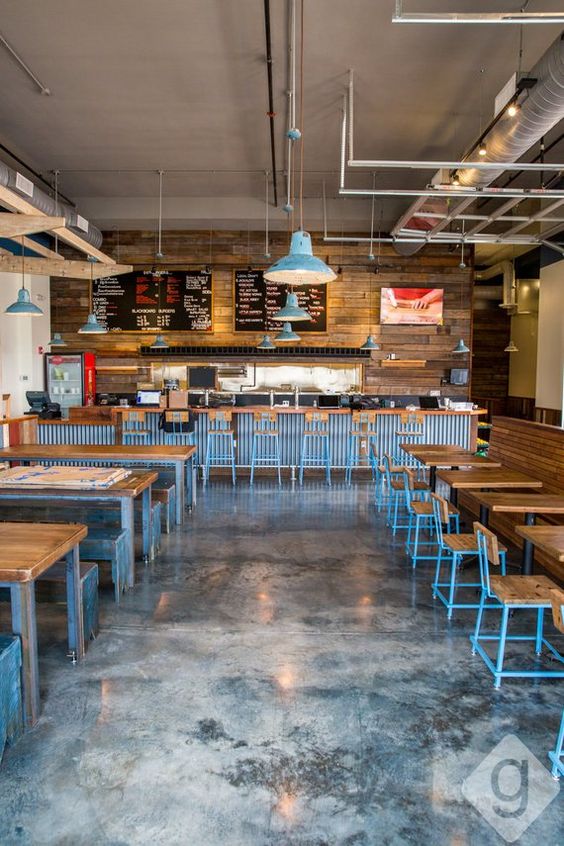
d) Epoxy flooring:

If you’ve ever considered an easy-to-maintain, industrial-grade flooring option, we bet there’s an epoxy solution for you! At Performance Industrial, we offer over 30 different epoxy and industrial flooring systems. Here are a few of our most popular:

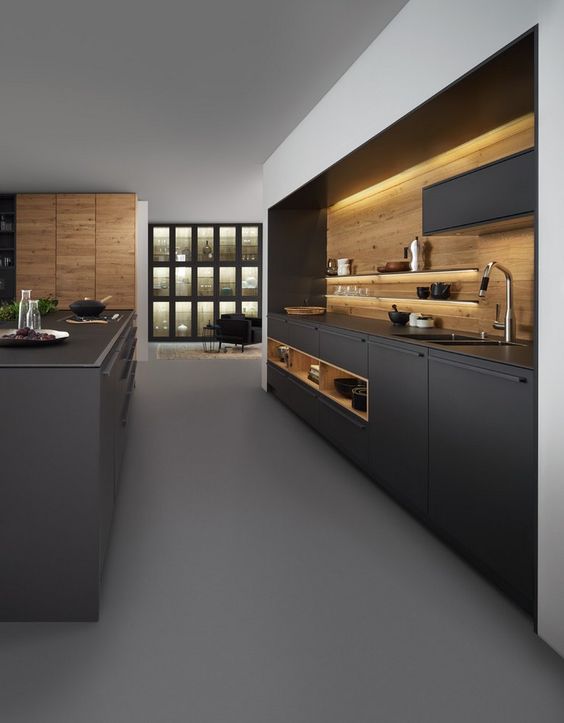
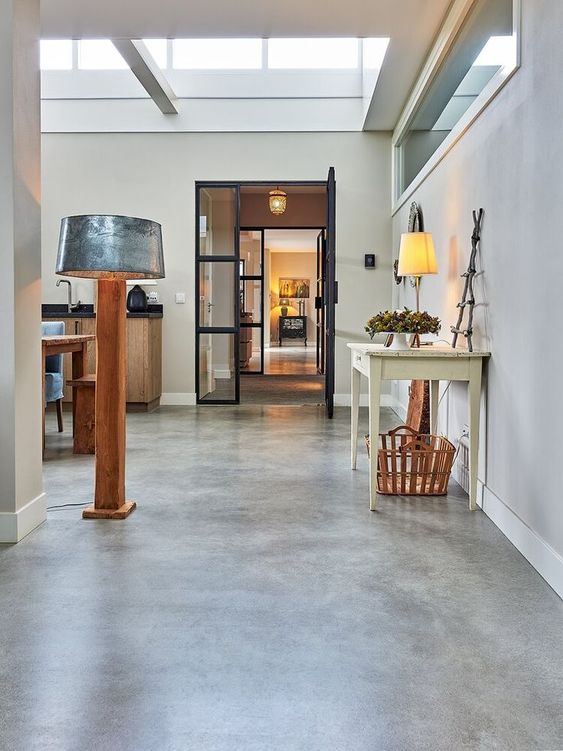
Self-Leveling Epoxy Floors: Self-leveling epoxy is applied over new, old, cracked, or damaged concrete floors to create a smooth, seamless, durable, and low maintenance flooring surface. The self-leveling system is also available in a variety of colors. Colors are used to make decorative designs, denote traffic patterns, or highlight work zones in industrial settings. This system is used when you need aesthetic appeal and/or abrasion, chemical, heat or slip resistance.

Where we’ve used it: manufacturing facilities, warehouses, showrooms, commercial garages, kitchens, aircraft hangars, athletic facilities, and more.
Epoxy Mortar Floors – Ultra-tough, this is the strongest epoxy floor system available. This high-build, seamless system is made with 100% solids epoxy and graded sand or quartz sand and then troweled into place. Mortar systems are highly impacted and chemical-resistant. This system is also effective in repairing old floors because of its high-build process.

Where we’ve used it: manufacturing plants, mechanical rooms, warehouses, commercial kitchens, restaurants, garages, and service areas where heavy equipment, such as forklifts, would be used.

Quartz-Filled Epoxy Floors: Quartz epoxy flooring systems combine high-performance epoxy polymer resin with colored quartz grains. The result is a multi-functional floor that’s decorative, sanitary, slip-resistant, and exceptionally durable.

Where we’ve used it: locker rooms, restrooms, schools, cafeterias, showrooms, light manufacturing, lobbies, offices, and more.

Anti-Static Epoxy Floors (ESD Resistant Floors): Electro-static charge (ESD) can be extremely dangerous in many work environments. Anti-static epoxy flooring helps to reduce static hazards. This flooring system typically contains a conductive material that accumulates static electricity to drain, ground, or dissipate any potential discharge. It’s highly recommended in environments that contain flammable materials.

Where we’ve used it: Healthcare facilities, electronic, chemical or pharmaceutical manufacturing facilities; areas that use flammable gases or liquids or risk combustible dust buildup.

Epoxy Flake Floors: Flake floor systems are made when colored chips or flakes are placed within the epoxy to create vibrant, multi-hued, seamless, resilient surfaces. The chips are not only aesthetically pleasing, but their slightly rough surface reduces slips and falls. The flakes are available in an endless variety of colors, styles, textures, and sizes and can be mixed into the combination of your choice.

e) Wooden flooring :

No one type of flooring is ideal for every room. For example, hardwood is consistently popular because of its warm, classic look, but it doesn’t hold up well to moisture or rough treatment. Here’s a look at the pros, cons, and costs of several popular types of flooring, as well as some ideas about where they can work best.

Solid Wood:
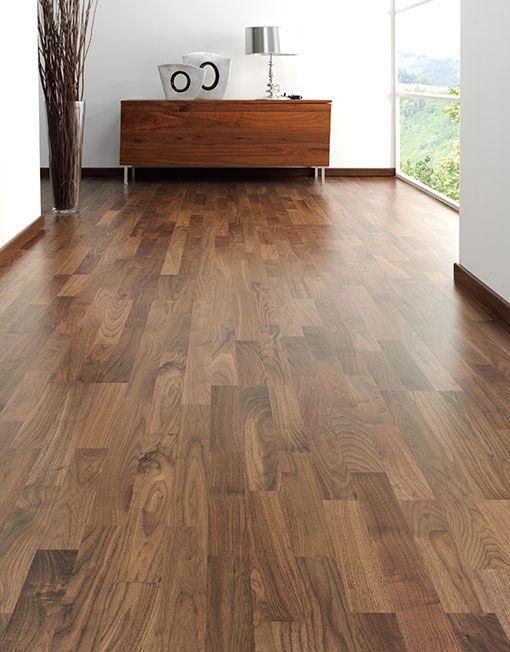
Solid wood has been one of the most popular types of flooring in the UAE for decades. Its construction is about as simple as you can get – wooden boards or planks about 0.75 inches thick, which are installed by nailing them to a wooden subfloor.

Wood flooring can be sold either finished or unfinished. If you choose unfinished flooring, you will need to sand and finish it after installing it. According to Consumer Reports, prefinished wood flooring typically costs less and involves less work. Also, the factory-installed finishes are usually more durable than anything you could do yourself.

Advantages:
People love solid wood flooring because it looks great in any style of home with any decor. It’s also very long-lasting since it can be refinished up to five times to remove surface scratches. Experts say adding hardwood floors can increase the resale value of your home as well.

Wood floors are fairly easy to clean; just sweep them regularly and mop up all spills promptly. And installing them yourself is a reasonably easy DIY project, allowing you to save money on the job.

Engineered Wood:
Engineered wood flooring looks just like solid wood, but it’s made in a different way. It has a thin veneer of natural wood on top, showing the grain, with layers of less expensive plywood underneath. That makes engineered wood both cheaper and sturdier. Some types of engineered wood have even more stability with backing made from recycled wood fiber mixed with stone dust.

Types:
Like solid wood flooring, engineered wood comes in a wide variety of wood types, patterns, and board widths. Engineered wood can be nailed down like traditional wood flooring, glued down, or installed as a “floating” floor on top of a foam or cork underlayer. Some engineered wood flooring comes with a special tongue and groove system that clicks into place to form a tight seam without glue or nails.

Advantages:
Engineered wood floors can give you the look of solid wood at a marginally lower price. That makes it easier to afford exotic woods such as tigerwood or Brazilian maple, which are more resistant to scratches and dents. They’re more stable than solid wood and less sensitive to changes in temperature and humidity, making them a reasonable choice for a basement room, unlike solid wood.

Many types of engineered wood flooring can be installed directly over a concrete subfloor, something that isn’t always possible with solid wood. Some are even flat enough to install on top of old hardwood floors, saving you the work and expense of ripping out the old floor before installing the new one. And the clickable type of flooring is especially easy to install yourself, saving you even more on installation costs.

f) PU & Acrylic rubber flooring:

Acrylic and polyurethane (PU for short) floors are the two most commonly used types of resinous industrial floors

Acrylic mixtures are relatively new to the market, while polyurethane has been around for years. Acrylics are thinner than oil-based polyurethane, require three to four coats to build a protective layer and require one to two hours to dry between coats.

Polyurethane are great for protecting your floor against stains, damage, chemicals, oils, and wear. They are both light reflective, easy to clean, and long-lasting. They also have their own advantages depending on the application.

Seamless polyurethane flooring is rapidly growing as a choice for indoor flooring and especially sports floors throughout the world.

Normally consists of a base formed by rubber shock pad glued to the underlying surface. Then a thin coat of Polyurethane compound spread over the top. After the Polyurethane (PU) compound has hardened it can be painted to provide additional grip and protection for the floor.

It is completely seamless from wall to wall and completely levels therefore making it easy to clean and maintain and the ideal playing surface.

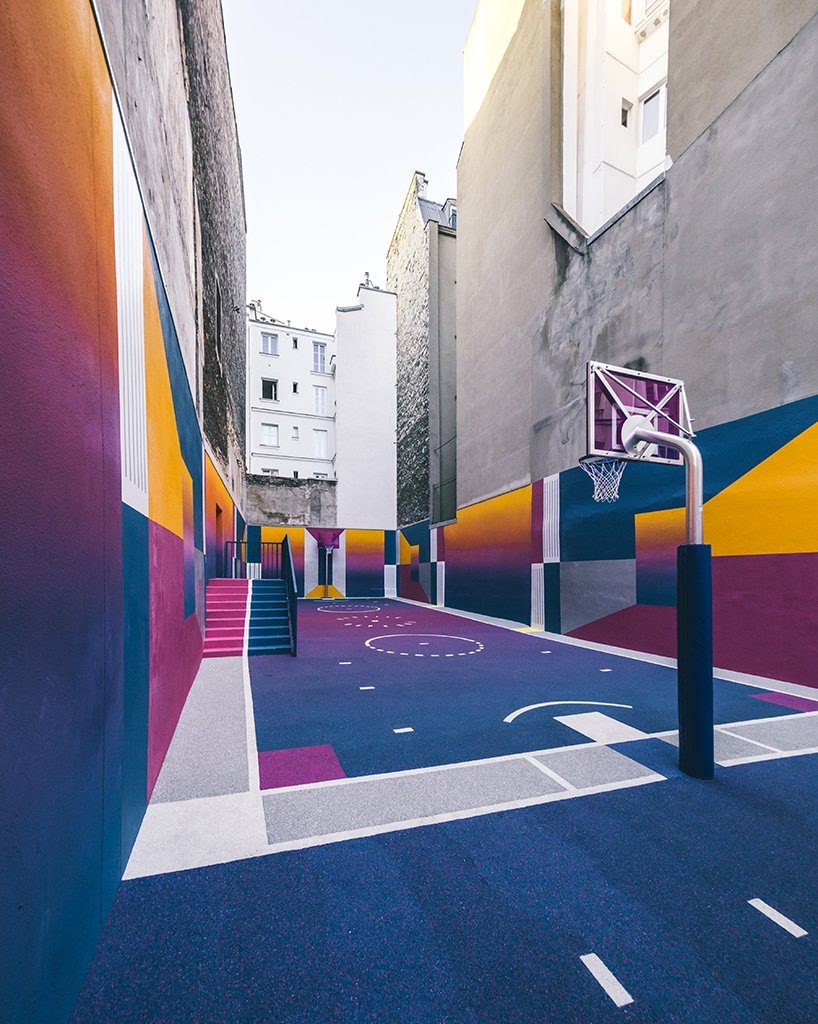
With our seamless sports flooring, you can choose from a number of colors so that you can personalize your sports hall or gym floor.

Seamless polyurethane sports surfaces can have court markings applied to the surface for playing many different sports.

Polyurethane sports flooring has a slight cushion effect to it so it will help prevent any ligament and joint damage.
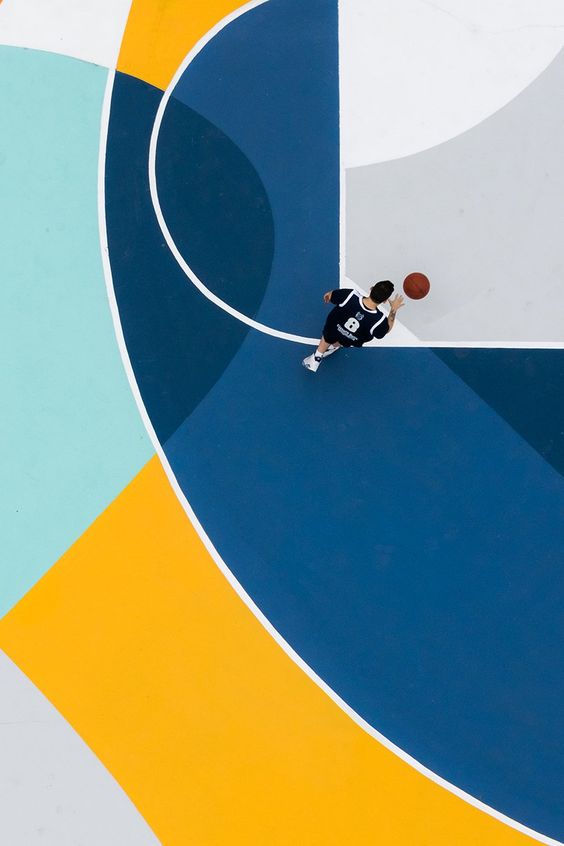
It can be color coated for optimum grip for playing almost any sport.

Seamless Polyurethane (PU) sports flooring can produce one of the best sports surfaces for playing a number of different sports.

It can be modified to provide high grip surface with a cushioned base making it perfect for a multi-sports or specific sports.

Polyurethane flooring is also one of the cheapest options when looking for new sports floor. It also has the benefit of being able to resurface at a later date for a fraction of the price as you do not need to remove the old sports floor.

Seamless polyurethane or Acrylic sports flooring is also very hygienic as it is easy to clean from it being a flat surface with no seams for dirt to get stuck in. Seamless sports floors are also low maintenance as they are not like typical sports floors where they need to be resealed every 3-5 years.

Another factor in choosing of seamless polyurethane or Acrylic sports surface is that there is a choice of colors for the playing surface. For tennis polyurethane (PU) sports flooring we can improve the slip resistance to provide even more grip for the players.

g) Carpet Flooring:

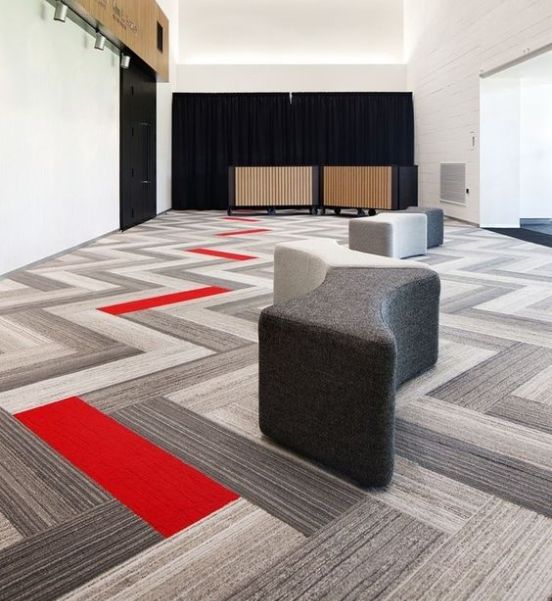
Wall-to-wall carpet is a perennial favorite for bedrooms and living areas. It’s made by pulling soft fibers, such as wool or nylon, through a woven backing, then gluing on more layers of backing to strengthen the material. You install it by nailing it down over a layer of padding, which adds cushioning and prolongs the life of the carpet.

Types
Carpet comes in a wide variety of colors, textures, and materials. It can be made from:

Wool, a durable material that naturally resists moisture and stains
Nylon, a strong, wear-resistant synthetic material that lasts a long time and can be recycled at the end of its life

Acrylic, a synthetic material that’s resistant to mildew, crushing, and insect damage

Polyester, a moisture-resistant synthetic fiber that can be dyed to produce bright colors but is vulnerable to staining

Polypropylene, a plastic highly resistant to moisture, mildew, and stains, which can be used both indoors and outdoors

Carpeting varies in thickness and fiber density. In general, the higher the density, the more durable the carpet will be.

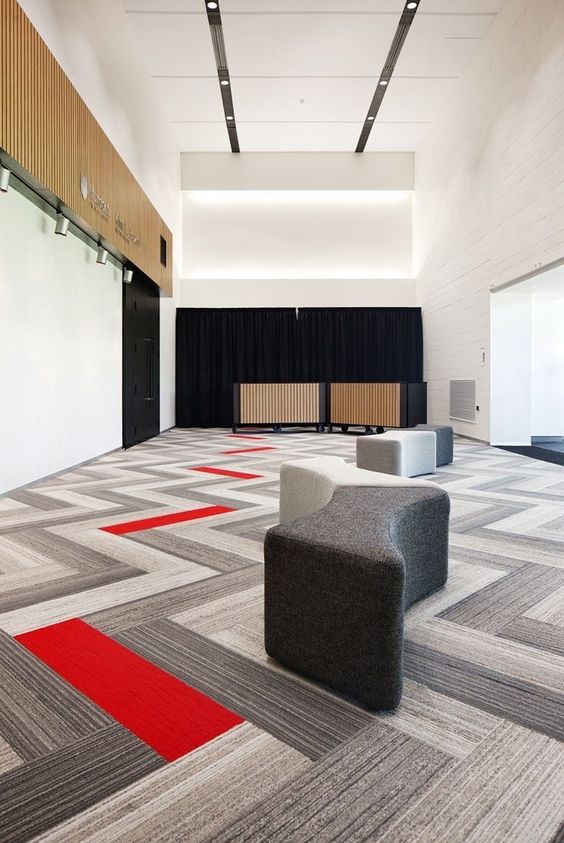
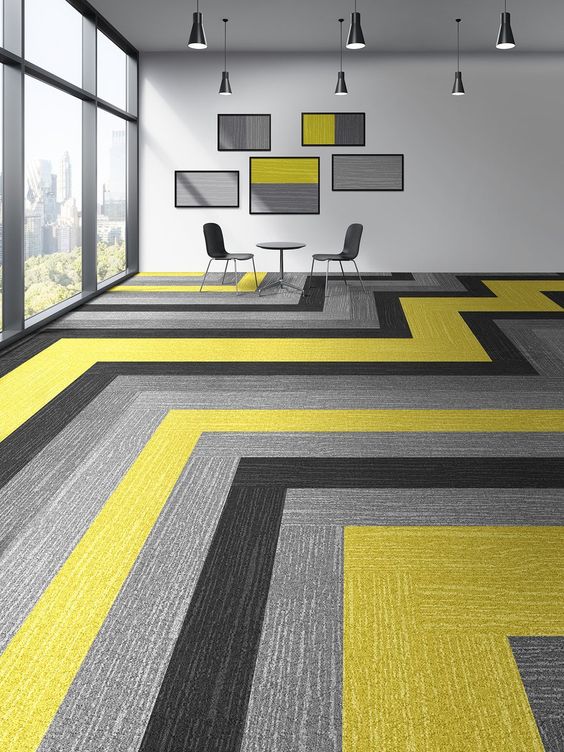
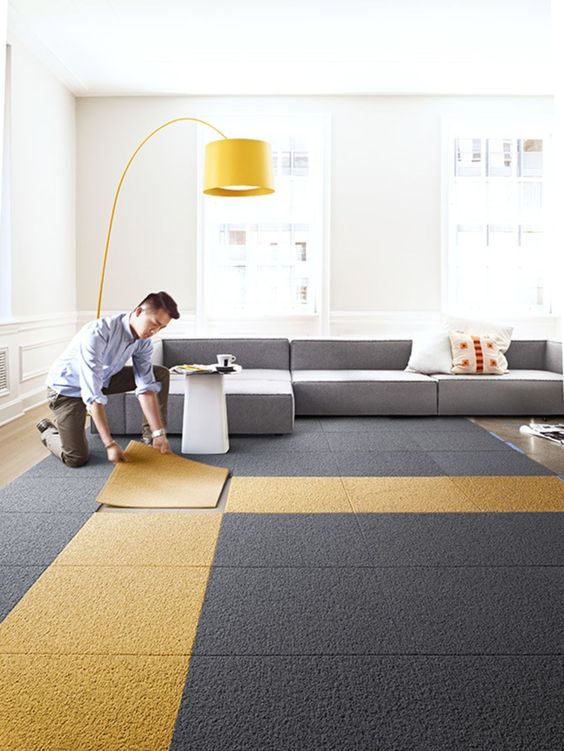
Many people like carpet because it feels soft and warm underfoot. It’s also quiet, slip-resistant, and easy to install.